16 November 2026
How Big Information Is Transforming Gas System Monitoring
Presented by @radiatormattersth63
You might not recognize just how considerably huge information is reshaping gas system administration today. With the combination of real-time analytics and anticipating maintenance, companies are not simply reacting to problems yet anticipating them, eventually driving down prices and improving safety and security. As you discover the various means advanced modern technologies and IoT are changing functional techniques, you'll find that the effects extend much beyond performance. What does this mean for the future of gas monitoring, particularly as the power landscape remains to develop?
Key understandings
-
Big data enables real-time surveillance of gas systems, improving operational effectiveness and safety with instant understandings into gas degrees and pipe honesty.
-
Anticipating upkeep powered by huge information algorithms recognizes potential tools failures early, minimizing downtime and reducing operational expenses.
-
Information trend analysis assists in enhanced resource appropriation, making certain that upkeep efforts are focused on high-risk parts and underperforming properties.
-
Enhanced safety methods make use of huge data analytics to forecast threats and make it possible for aggressive risk management, enhancing general safety and security in gas administration.
-
Partnership among market players is reinforced with shared data insights, promoting dexterity and responsiveness in adjusting to regulatory modifications and market demands.
The Role of IoT in Gas Management
The assimilation of the Web of Points (IoT) right into gas management systems revolutionizes performance and security in the sector. By utilizing sophisticated sensor modern technology, you can check gas degrees and pipeline honesty in live. This IoT assimilation promotes information interoperability, enabling seamless communication between gadgets and systems, which increases network dependability.
Smart pipes outfitted with IoT gadgets offer critical insights right into energy efficiency. These systems make it possible for remote surveillance, which decreases the demand for hand-operated evaluations and improves functional security. With cloud connection, you can access data from anywhere, guaranteeing that your teams are constantly notified and prepared to reply to any type of issues.
Additionally, the increase of electronic twins enables the production of virtual reproductions of physical properties, making it possible for predictive maintenance and optimization. These devices not just enhance your understanding of gas flow characteristics yet also boost total system durability. Gadget interoperability guarantees that numerous parts function effortlessly with each other, more enhancing the operational abilities of your gas management systems. Eventually, the deployment of IoT in gas monitoring results in improved decision-making and a much more lasting energy future.
Real-Time Data Analytics
Real-time information analytics changes gas system monitoring by providing instant insights that drive functional performance. By leveraging data visualization devices, you can effortlessly interpret intricate datasets, making it easier to spot fads and abnormalities. Anomaly detection formulas help you identify uneven patterns that could suggest possible problems, allowing for speedy corrective actions.
With pattern evaluation, you can check efficiency over time, enabling historic comparisons that inform tactical choices. This historical context enhances your understanding of system habits, assuring that current operations line up with previous efficiency standards. Performance benchmarking versus industry standards better maximizes your operations, aiding you identify areas for improvement.
Reliable system assimilation is crucial; it guarantees that information from numerous sources aligns seamlessly, improving individual interaction and decision-making processes. Enhancing formulas based upon real-time data allows for adaptive feedbacks to altering conditions, inevitably enhancing system resilience and effectiveness.
Including these analytics right into your gas management strategy not only enhances safety however likewise enhances general productivity. By welcoming real-time data analytics, you position your procedures at the leading edge of technical innovations, assuring you remain competitive in a rapidly developing landscape.
Predictive Upkeep Applications
Frequently leveraging anticipating upkeep applications can considerably improve the dependability of gas systems. By using failure prediction algorithms, you can recognize prospective devices failings prior to they happen. This proactive approach enables effective upkeep organizing, reducing unforeseen downtime and optimizing functional effectiveness.
Sensing unit assimilation plays a critical function in this procedure. By continually monitoring devices conditions, you gather real-time data that supports trend evaluation. This information visualization not only help in understanding present performance however also assists in assessing long-term equipment long life.
Threat examination comes to be a lot more precise as you assess historical data along with present sensor readings. This understanding allows you to make educated choices concerning possession monitoring, focusing on maintenance tasks based on real risk levels instead of approximate routines.
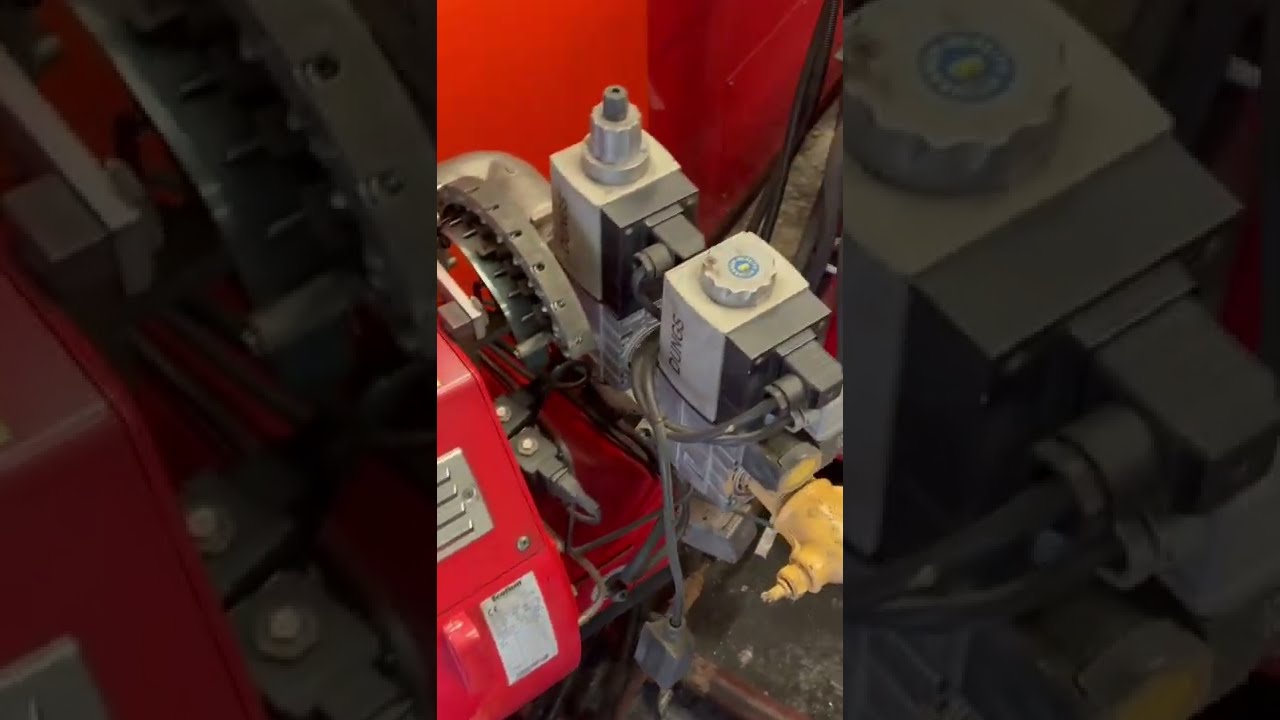
In addition, predictive maintenance adds to considerable downtime reduction. As opposed to adhering to typical maintenance cycles, you can concentrate on attending to problems as they emerge, making certain that your gas systems run smoothly. On the whole, by taking on predictive maintenance applications, you're not just enhancing reliability; you're also enhancing the entire lifecycle administration of your gas assets, leading to boosted performance and lowered operational expenses.
Boosted Safety And Security Methods
With the execution of predictive analytics, you can identify potential safety and security risks prior to they rise. Real-time surveillance systems allow instant responses to anomalies, boosting overall security procedures. By leveraging these innovations, you considerably reduce the possibility of accidents in gas system monitoring.
Predictive Analytics Execution
Anticipating analytics is revolutionizing safety protocols in gas system monitoring by leveraging substantial amounts of data to anticipate potential threats. By employing data modeling strategies, you can develop exact depictions of gas system actions, allowing for effective pattern analysis. This process entails choosing the best formulas, which can vary from simple regression designs to complex device finding out techniques, to forecast future incidents based upon historic information.
Utilizing advanced data visualization tools, you can translate intricate datasets, making it much easier to determine patterns and anomalies. Anomaly detection is essential given that it assists pinpoint abnormalities that can show arising threats. In addition, effective threat analysis approaches allow you to examine the likelihood and effect of different situations, guiding your safety measures.
Situation planning comes to be crucial in preparing for various danger results. By mimicing numerous operational conditions, you can proactively deal with prospective susceptabilities in the gas system. Eventually, executing these anticipating analytics methods not only enhances safety procedures but additionally fosters a society of constant improvement. With the right devices and methods, you can shift from reactive actions to proactive danger administration, guaranteeing a more secure gas supply system for everyone involved.
Real-Time Tracking Systems
As anticipating analytics prepares for enhanced safety methods, executing real-time tracking systems takes this a step even more by giving instant insights into gas system operations. These systems take advantage of extensive sensing unit networks to gather data constantly, allowing you to monitor various criteria in real-time. With cloud computer, you can access this information remotely, which improves operational efficiency and warranties prompt feedbacks to any type of abnormalities.
Information visualization devices play a necessary function in converting complicated information right into user-friendly user interfaces. They allow you to rapidly recognize trends and detect anomalies, assisting in punctual decision-making. By incorporating these keeping an eye on systems into existing framework, you boost system integration and guarantee that all components communicate efficiently.
Moreover, with the rise of innovative analytics, you can anticipate possible concerns prior to they intensify. This positive method not only boosts safety however also optimizes resource allotment and reduces downtime. Ultimately, real-time tracking systems encourage you to preserve a more secure, a lot more effective gas management operation, ensuring that both regulatory conformity and customer fulfillment are maintained.
Expense Reduction Methods
In gas system monitoring, executing predictive maintenance strategies can greatly minimize expenses by protecting against unanticipated failings. By examining information patterns, you can optimize resource allowance, ensuring that devices and employees are utilized effectively. This data-driven strategy not only decreases operational expenses however also enhances general system reliability.
Predictive Maintenance Techniques
While conventional upkeep approaches typically rely on responsive measures, leveraging anticipating maintenance methods can substantially lower prices in gas system management. By using sensor innovation, you can continually keep an eye on the efficiency of your assets, allowing real-time data collection and analysis. This information feeds right into innovative data modeling and artificial intelligence algorithms, which enhance fault detection capabilities.
Implementing these predictive strategies enables even more reliable asset monitoring. You can recognize potential failings prior to they happen, especially enhancing maintenance organizing. As opposed to awaiting a failure, you can plan upkeep tasks during low-demand periods, decreasing disruptions and decreasing costs related to unplanned blackouts.
In addition, efficiency optimization ends up being achievable as you analyze historic information to identify fads and patterns. This data-driven strategy informs danger assessment, enabling you to prioritize upkeep initiatives based upon the criticality of each asset. By attending to high-risk components proactively, you not only prolong asset lifespans however also enhance general system integrity.
Basically, adopting anticipating maintenance strategies transforms your strategy to gas system administration, leading to substantial price decreases while keeping functional performance. The integration of technology and information analytics is vital for maximizing your maintenance strategy.
Optimized Source Appropriation
Anticipating upkeep techniques not only boost possession administration but also lead the way for maximized resource appropriation in gas system monitoring. By leveraging huge data, you can make data-driven decisions that improve effectiveness and minimize costs. Below's how you can attain efficient resource optimization:
- Recognize underperforming possessions before they stop working
- Allocate manpower and products based upon real-time data
- Minimize unneeded maintenance expenses with precise forecasting
- Enhance operational efficiency by lessening downtime
These approaches allow you to assign resources better, ensuring that you're not spending beyond your means on maintenance or stock. With the understandings gained from information analytics, you can prioritize fixings and upkeep timetables based upon actual performance metrics rather than price quotes. This targeted technique not only decreases functional prices but likewise extends the lifespan of your possessions.
Inevitably, embracing data-driven choices in gas system management results in a much more structured procedure. By embracing maximized source appropriation, you place your organization to navigate the intricacies of the energy sector while remaining affordable and cost-efficient.
Future Trends in Gas Management
As we look in advance, the integration of sophisticated analytics and real-time data handling is readied to redefine gas administration strategies. You'll likely see a stronger focus on sustainable techniques, aligning with the global power shift. Regulatory compliance will certainly progress, requiring business to take on technical technologies that fulfill new criteria and market dynamics.
Data safety boiler repair meopham will certainly become critical as organizations aim to protect delicate info while boosting customer interaction through transparent interaction. By leveraging advanced analytics, you'll be able to expect consumer requirements and adjust solutions accordingly.
In addition, workforce training will certainly be vital to outfit employees with the skills necessary for navigating this data-driven landscape. Collaboration designs between market players will emerge, enabling shared insights and sources, inevitably bring about a lot more effective facilities financial investment.
As gas monitoring progresses, expect to witness a strategic change that prioritizes agility and responsiveness. The ability to examine large datasets will certainly encourage organizations to make educated choices, ensuring conformity and sustainability in a quickly altering market. Accepting these fads will certainly be critical for remaining affordable and fulfilling the needs of tomorrow's energy landscape.
Often Asked Inquiries
What Kinds of Information Are Gathered in Gas System Monitoring?
In gas system monitoring, you accumulate various information resources, consisting of circulation rates, pressure analyses, and temperature level measurements. You also gather details from client usage patterns and upkeep logs. By leveraging data analytics, you can identify fads and anomalies, optimize procedures, and improve precaution. These insights enable you to make informed choices, ensuring efficient gas circulation and decreasing dangers connected with system management. Eventually, effective data usage drives better efficiency and integrity.
How Can Small Gas Companies Benefit From Big Information?
Tiny gas companies can take advantage of big data to boost their operational effectiveness considerably. By using data analytics, you can determine market trends and obtain beneficial customer understandings, aiding tailor solutions to satisfy demand. Anticipating upkeep algorithms can reduce downtime and expand equipment life, bring about set you back reduction. In general, embracing huge data allows you to make educated choices, enhance sources, and remain competitive in an advancing market landscape.

What Challenges Do Gas Companies Face in Data Combination?
Gas firms deal with considerable difficulties in data assimilation, mainly because of information silos created by legacy software application. You're most likely to come across assimilation difficulties that make complex analytics complexity and prevent real-time handling. Attaining system interoperability is essential yet typically obstructed by varying data formats and regulatory compliance needs. These elements can postpone decision-making and restrict your ability to leverage information effectively, eventually impacting operational effectiveness and calculated preparation.
Just How Is Consumer Information Secured in Gas Administration Solutions?
In gas administration systems, client data's secured via information security, ensuring unapproved access is decreased. You'll see privacy guidelines drive the demand for strict access controls, needing explicit customer consent for information usage. Data anonymization strategies further protect identifications while enabling analytics. Normal conformity audits guarantee adherence to these standards, reinforcing trust fund. By focusing on these procedures, firms secure customer details and maintain a secure atmosphere in their data monitoring methods.
What Role Does Machine Learning Play in Gas System Monitoring?
Artificial intelligence plays a necessary function in gas system management by enhancing predictive analytics and anomaly discovery. You can examine historic data to anticipate need and determine possible issues before they intensify. By implementing algorithms, you'll identify abnormalities in real-time, enabling quicker reactions to system abnormalities. This proactive strategy not only enhances performance however likewise reduces operational threats, making sure a more reliable gas supply for customers.
Recap
In recap, leveraging big data in gas system administration changes how you monitor, keep, and maximize operations. By integrating IoT gadgets, real-time analytics, and predictive upkeep, you boost safety procedures and decrease expenses. This data-driven technique not just decreases downtime yet additionally equips you to make educated decisions for sustainable techniques. As the power landscape progresses, accepting these innovations will certainly be vital for preserving reliability and performance in gas management. Adapt currently to remain ahead.